
Your own exchange: decentralized or centralized
A DEX on smart contracts or a CEX with order book, wallets and KYC. White-label or from scratch. Average project cost: DEX $3.5M, full-stack CEX excluding liquidity and marketing $7M.
What others forget
They ship unaudited smart contracts — one bug and users lose millions.
How we cover it
Smart-contract audits, matching-engine protection and pentests before launch — no security holes.
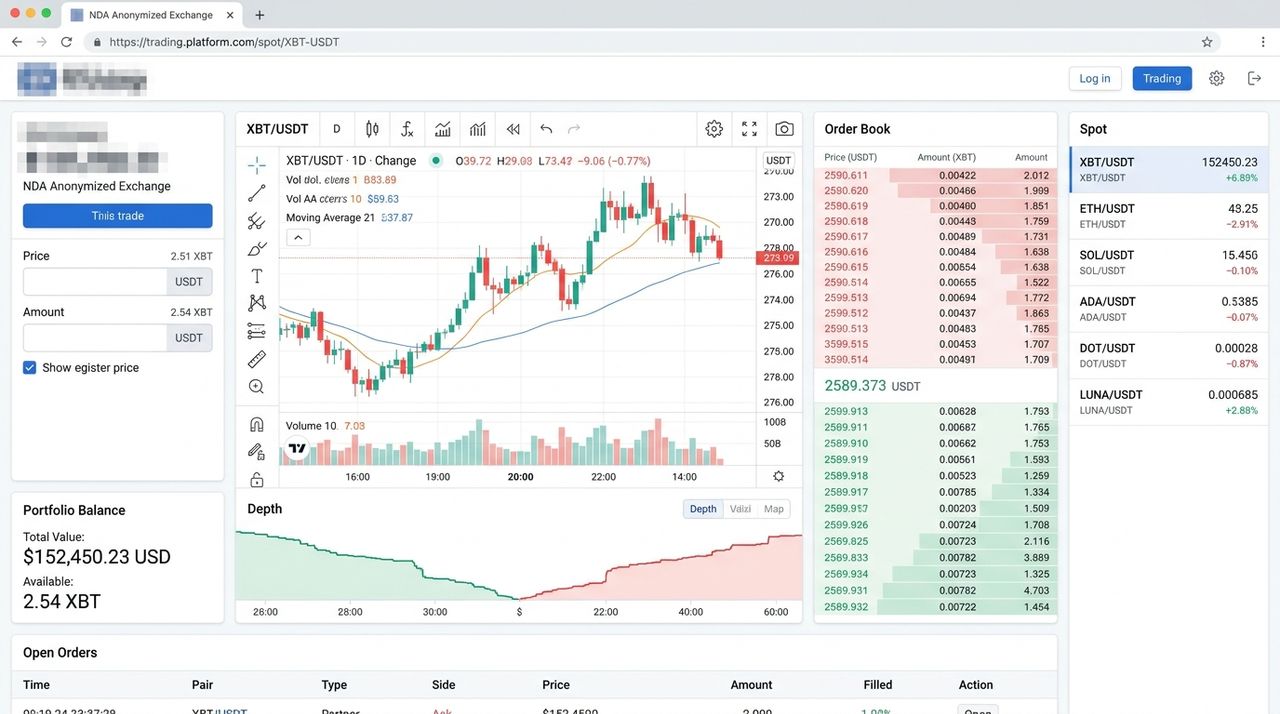
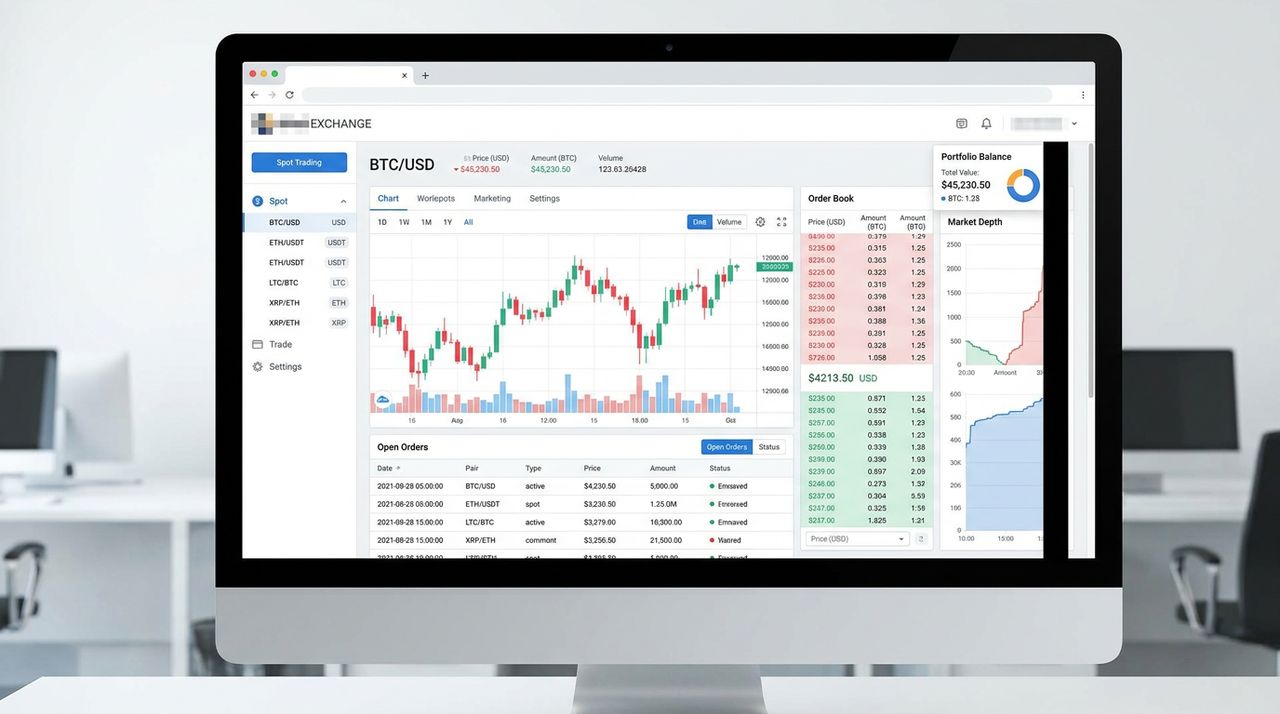
Concept examples in the style of our projects: real cases are under NDA, logos hidden.
Who it fits
A fit if you're launching a full crypto exchange — centralized (CEX) with order book and fiat, or decentralized (DEX) on smart contracts.
What's included
- ✦Order book or AMM liquidity pools
- ✦Wallets, deposits, withdrawals
- ✦KYC/AML and compliance
- ✦Trading UI with charts
- ✦Admin panel and liquidity control
- ✦Mobile app (optional)
- ✦Smart contract or matching-engine audit
What you get
- ✓An exchange with real trades
- ✓Contracts passed an independent audit
- ✓Full AML compliance
- ✓Ready to list new tokens
How we work
Business model: CEX or DEX
Architecture and security audit
Trading engine build
Wallets and integrations
Testnet testing
Audit and mainnet launch
Case studies
FAQ
▸DEX or CEX — which is better?
DEX is cheaper to launch and license-free, but limited on fiat. CEX is pricier, needs licenses, but unlocks banking rails. Many launch both.
▸Who's responsible for security?
Before mainnet there's a mandatory independent audit at Trail of Bits / OpenZeppelin / CertiK. We have partner agreements lined up.
▸Which tokens can be added?
Any with active liquidity. On CEX — listing rules (KYT, listing fee). On DEX — any token via a new pool.
▸What if regulators change the rules?
Modular architecture — the compliance layer is swapped without rewriting the core. We pick jurisdictions with clear rules.
Crypto exchanges DEX / CEX
Your own exchange: decentralized or centralized