FluxZoneAn MMORPG with a working economy
The product is built, the mechanics are live. A low-risk entry: $300k, deployed in stages, with visible progress. Plus a live testing ground for the Lord of Dreams economy.
What the abbreviations on this page mean▾
Investor decks love acronyms — here are the ones used below, spelled out.
- MAU
- — Monthly Active Users — unique users in a month
- DAU
- — Daily Active Users — unique users in a day
- ARPU
- — Average Revenue Per User
- ARPPU
- — Average Revenue Per Paying User
- LTV
- — Lifetime Value — total a customer brings over their lifetime
- conversion
- — share of visitors who become buyers
- netMargin
- — profit after all costs, as a % of revenue
Lower the risk: start with FluxZone
Wary of putting $2,5M into an unproven economy? Start here. The same model (in-game purchases, tournaments, a legal asset marketplace) — but the product is already built and launched. $300k instead of $2,5M, deployed in stages, with progress visible at every step. There is no development risk — only a manageable marketing risk.
Product & gameplay
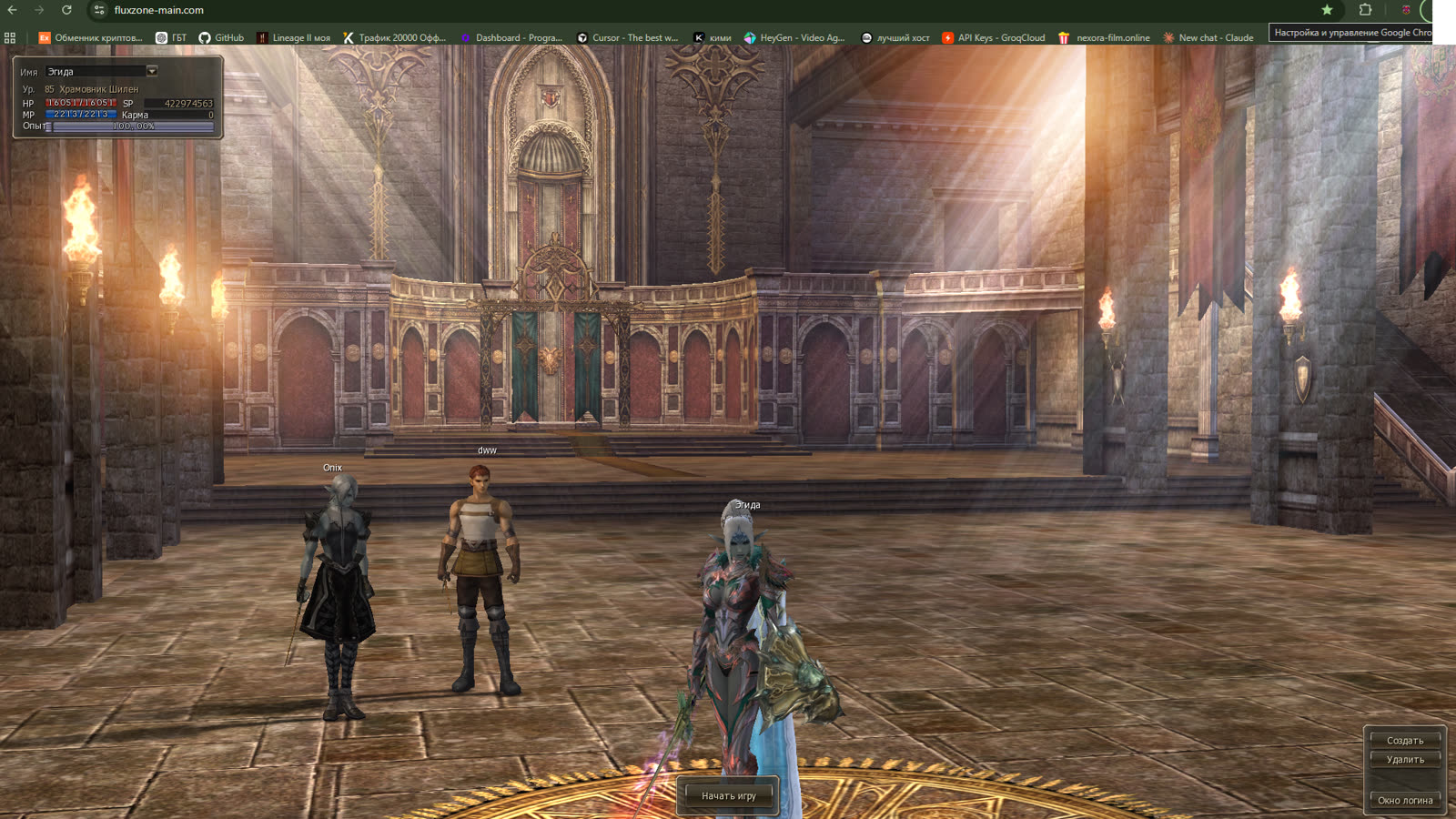
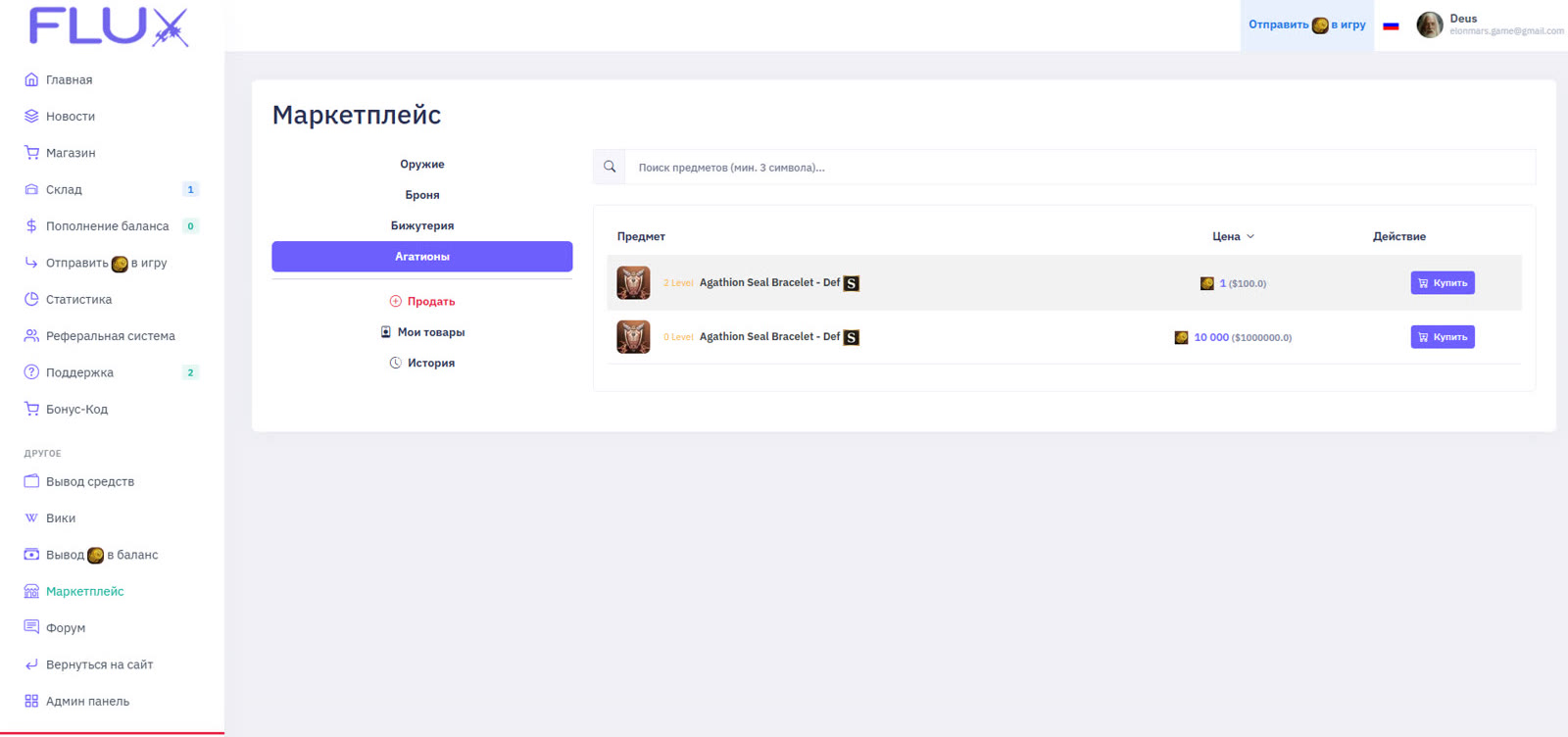
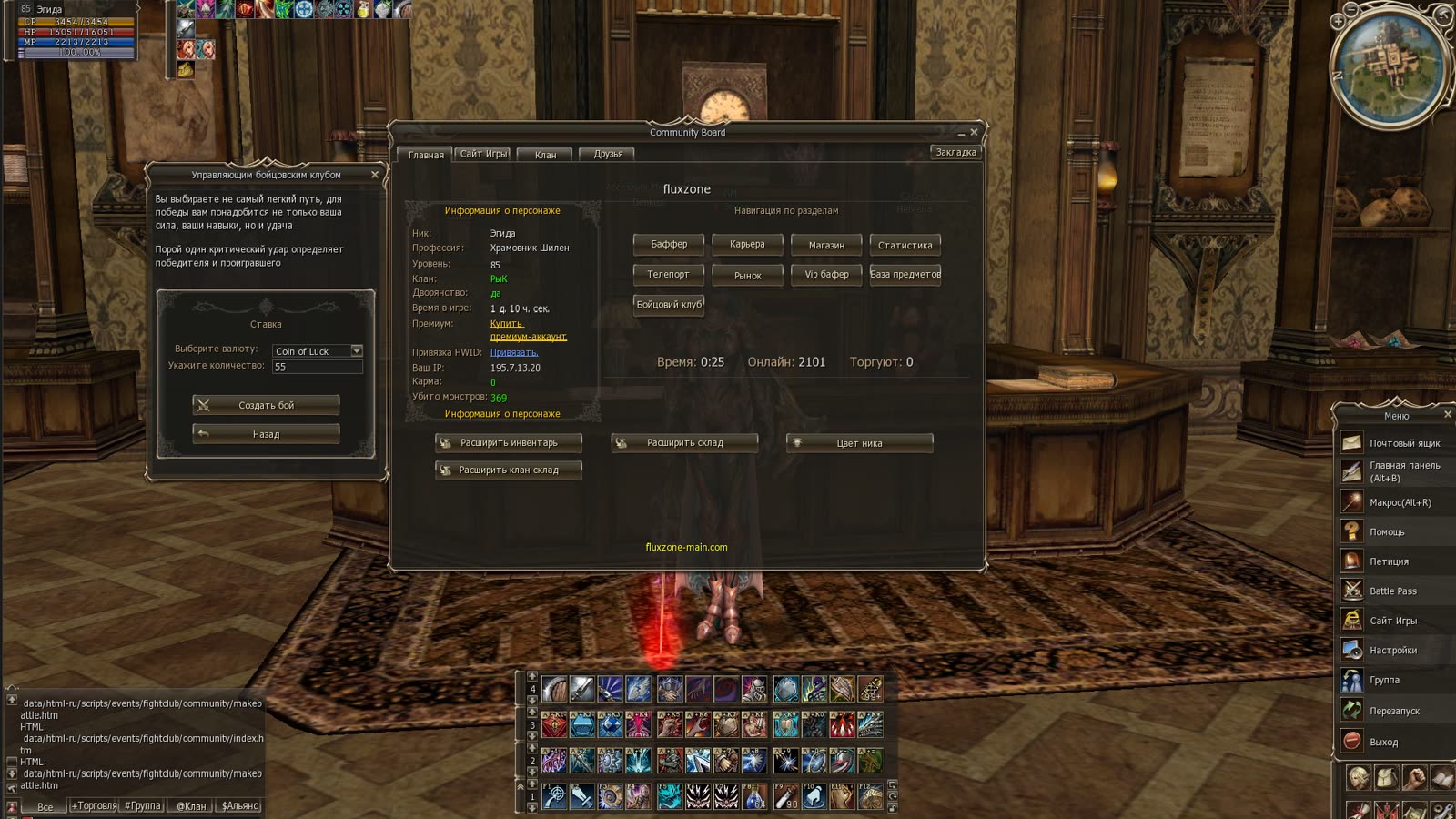
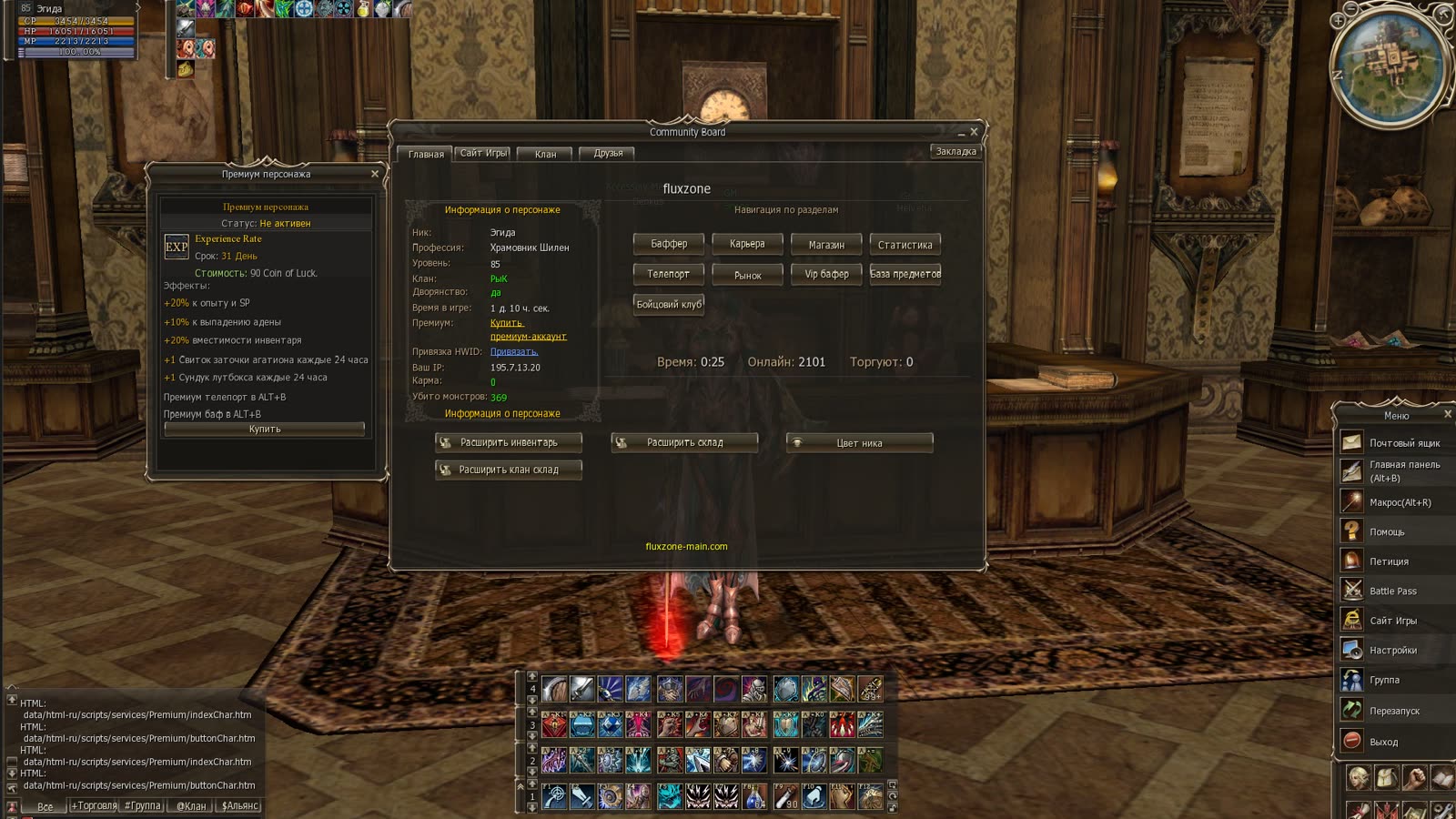
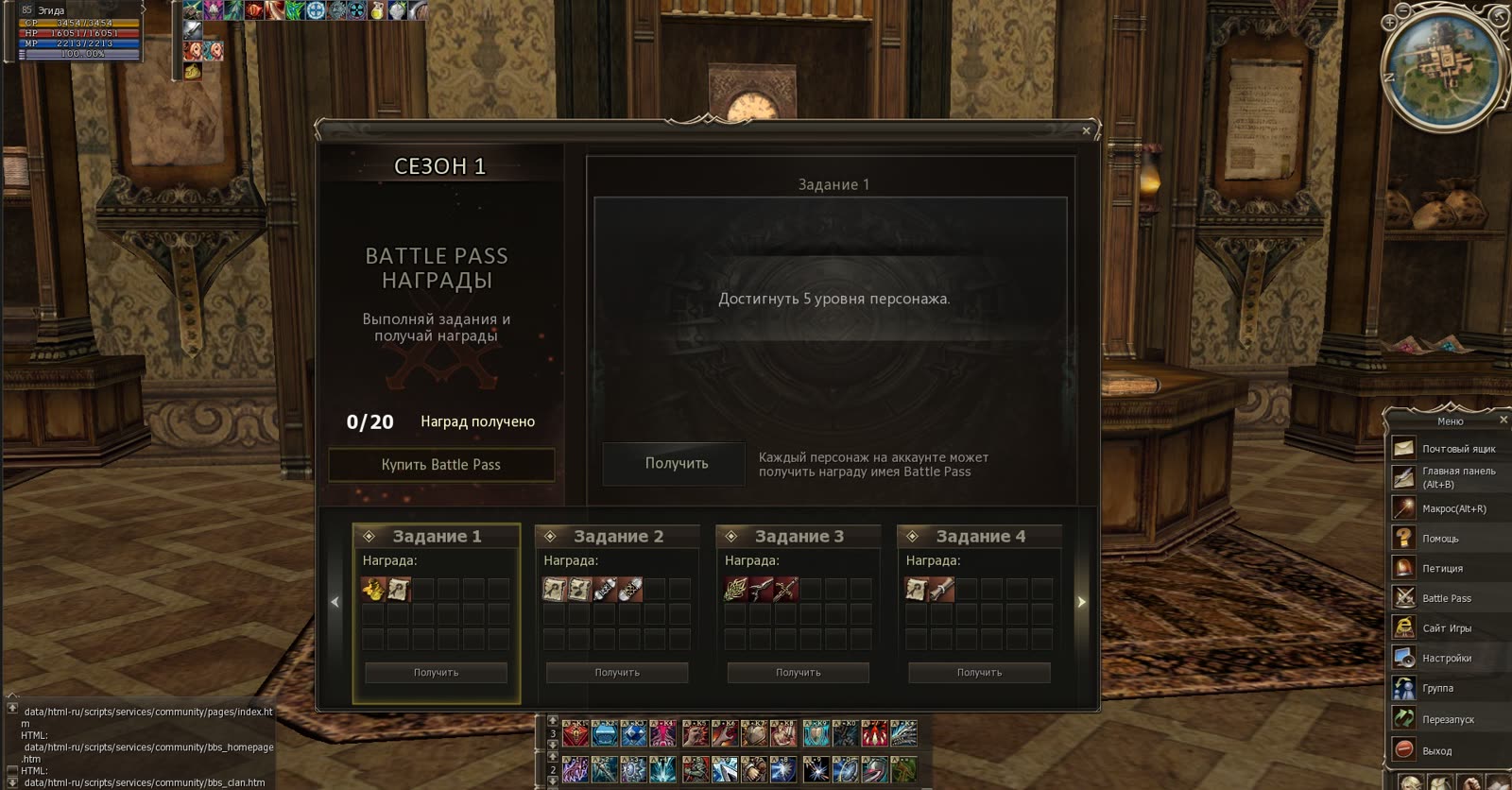
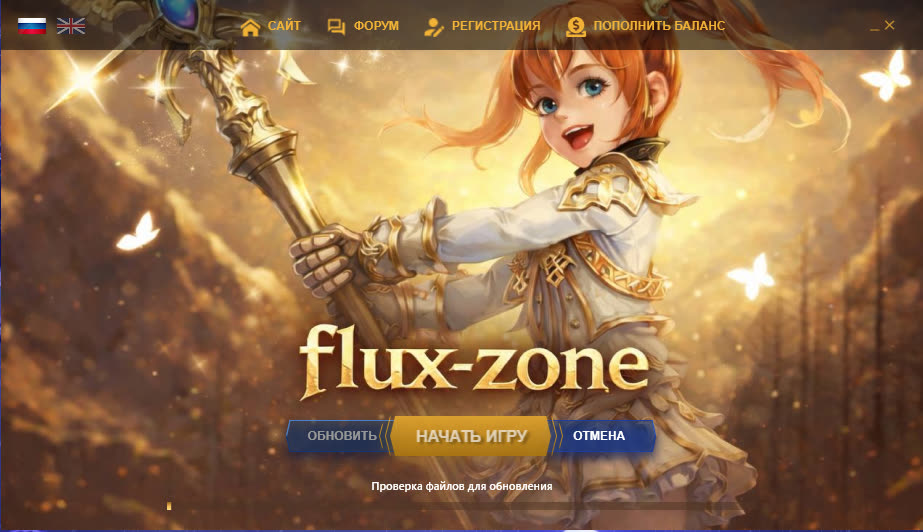
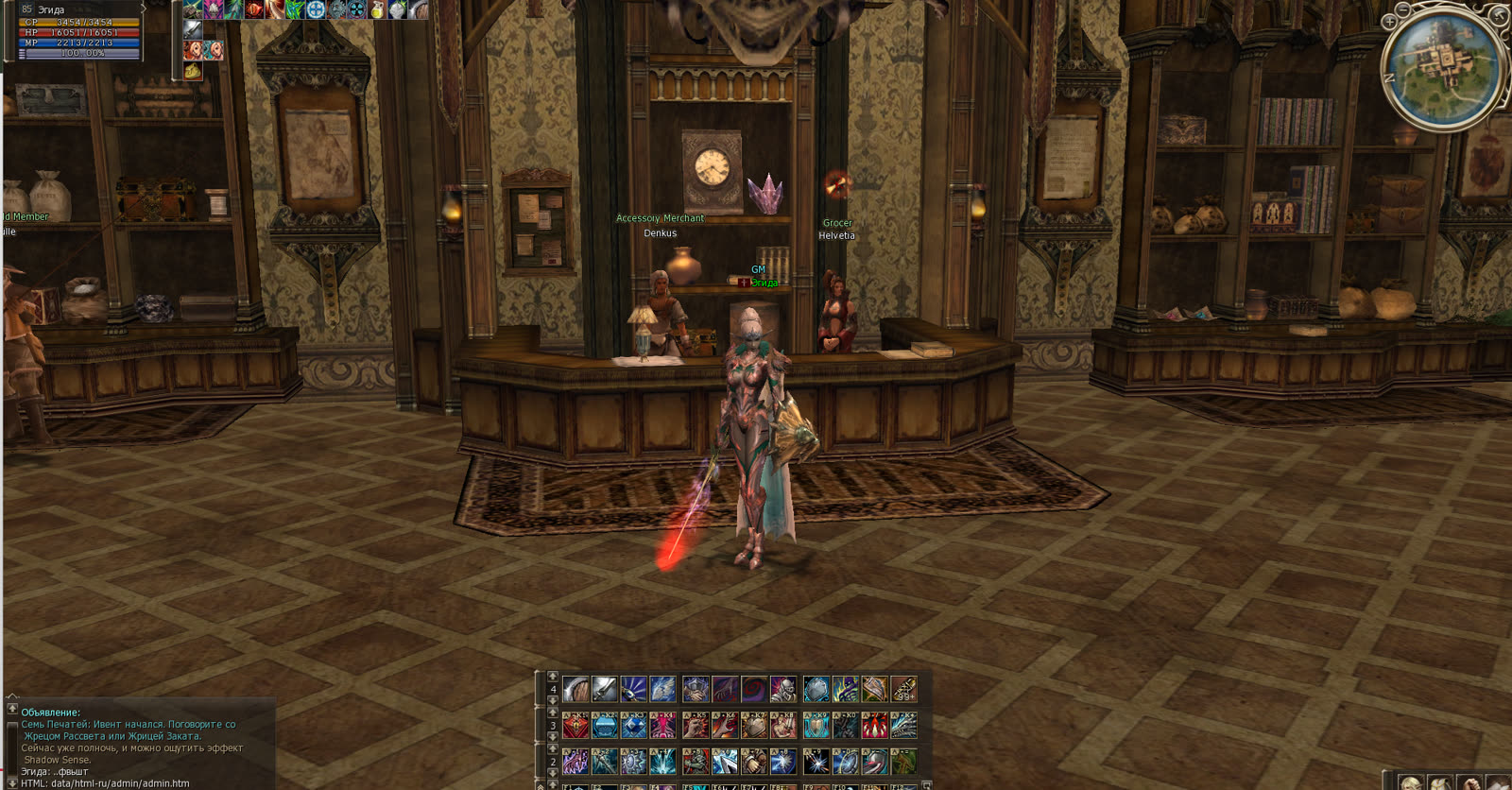
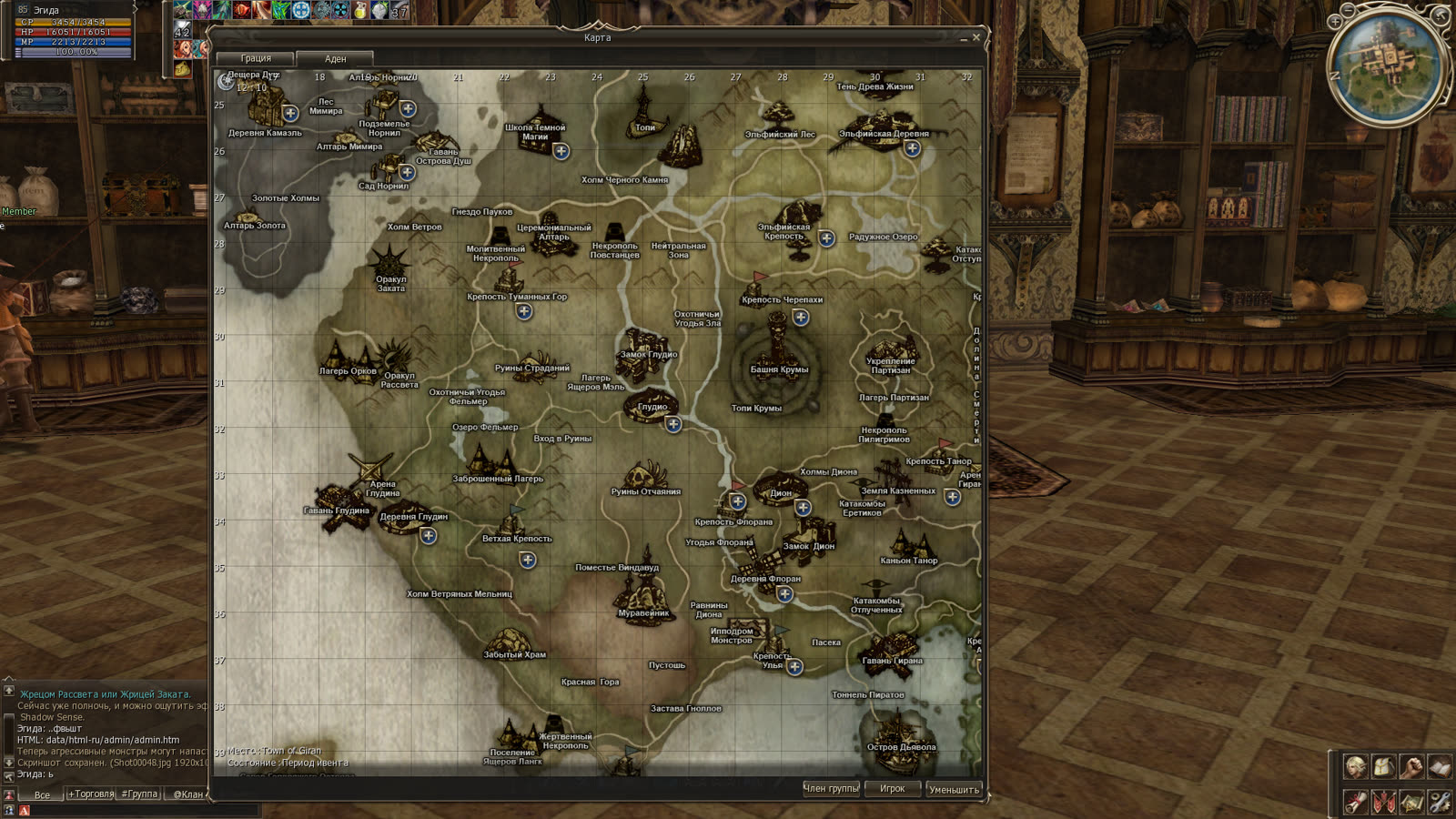
Not renders — a real, running server: Lineage II High Five (x5). Marketplace, wagers, premium, battle pass — the economy mechanics already work in the product (revenue is still ahead — that's what the investment is for).
 Monetization
 Monetization
 Monetization
 Monetization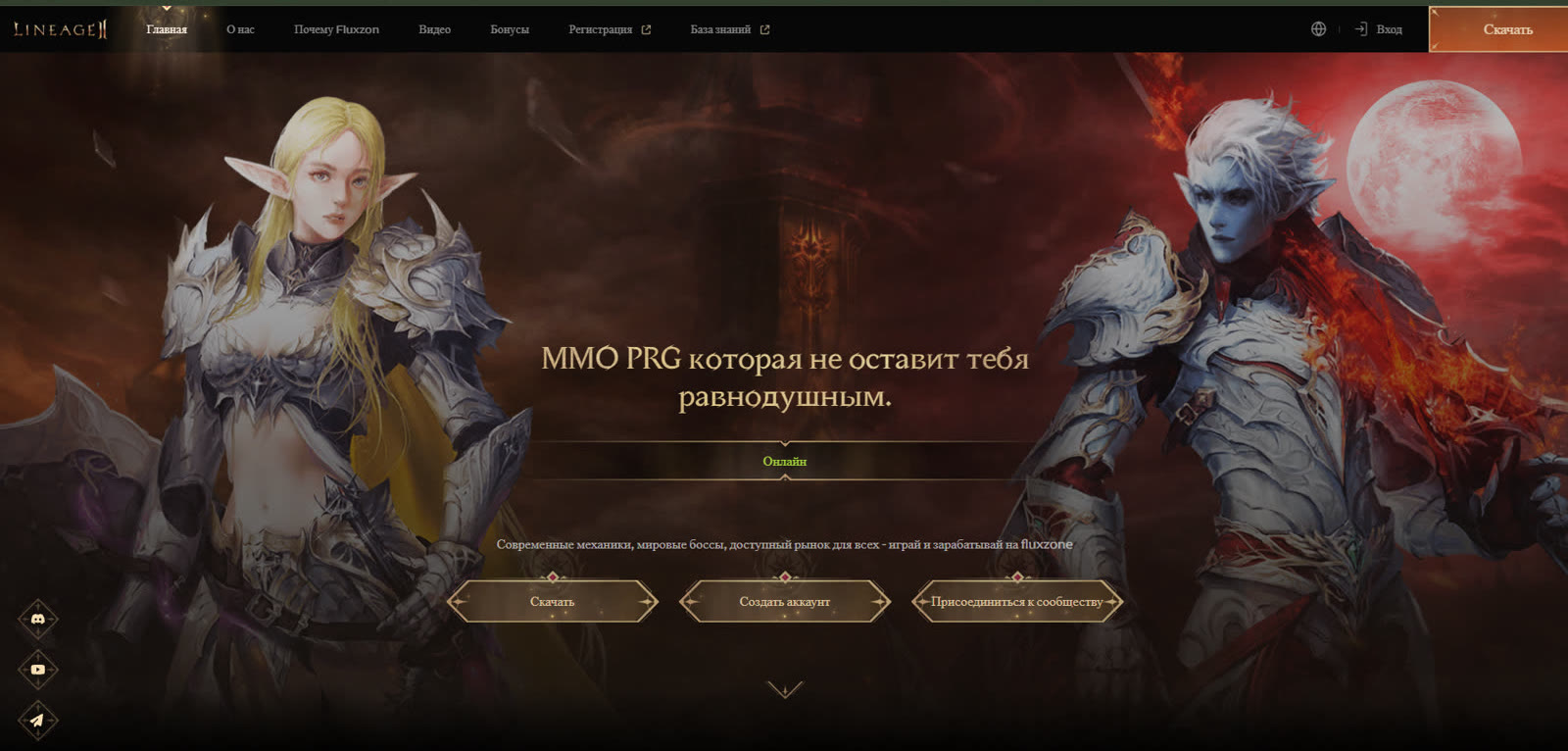
Current status
FluxZone has just launched. The product and mechanics are ready — development risk is off the table. We are already running marketing ourselves on a minimal budget. To reach real player volume we need investment capital — and we need it now: every month without scale means players and revenue left on the table.
- ✓ Product built and launched — not an idea, but a live server.
- ✓ Marketing is already underway — in-house, on a minimal budget.
- → Investment is needed now: $300k turns a finished product into a stream of players.
- → Staged and controlled: after the first $120k — a channel-by-channel read and reinvestment into the best performers.
Market and demand
Project economy — 6 revenue streams
Not a single source, but six. Already live on a running server. Figures cover fiat + crypto (USDT).
Item shop + enhancements
Items, gear enhancement, progression boosts.
Cosmetics + Battle Pass
Appearance and a seasonal Battle Pass — impulse and recurring purchases.
Wheel of Fortune (gacha)
Loot boxes / "surprise boxes" — the highest-margin and most engaging stream.
Duel arena (PvP 1v1)
5–10 minute fights. Players set the stake themselves (from $10, no cap); the winner takes 90%, the project takes 10%.
Legal asset marketplace
All item trading runs through our platform, with no black market. A commission of just 2%.
Premium account
A reduced marketplace commission and bonuses — a recurring subscription.
Our moat: 2% versus FunPay's 15%
All in-game asset trading runs through our platform — safely, with no black market. We charge a tax of just 2% on trades, whereas FunPay charges 15%. That is roughly 7x cheaper: L2 trading volume and traders migrate to us, and the deals that used to go "off the books" are now ours. A low commission is not lost margin — it is a magnet that captures the market and retains players. Top rare items at maximum enhancement sell for $5000 — high turnover even at a low rate.
Marketing funnel (base case)
$300k go into acquiring and retaining players. The funnel logic runs from cost of acquisition (CPI) to monthly revenue (MRR). Each step is a controllable lever, measured after the first $120k.
Financial model — three scenarios
Annual revenue (run-rate) after the marketing rollout. 6 streams: item shop, cosmetics/Battle Pass, gacha, duel stakes (10% rake), marketplace commission (2%), premium. The base case is highlighted.
| Scenario | Year 1 | Year 2 |
|---|---|---|
| Conservative | $0,9M | $1,7M |
| Base ✦ | $2,1M | $3,9M |
| Strong | $4,2M | $7,5M |
Key assumptions (base case)
- →$240k in ads at a CPI of ~$3 → ~80k registrations → ~12k MAU (retention ~15%, boosted by the championship).
- →Paying share ~17% of MAU at an ARPPU of ~$70/month (shop, enhancements, gacha, Battle Pass, cosmetics) → ~$143k/month.
- →Duel stakes: a 10% rake on stake turnover — a separate stream.
- →Asset marketplace: a commission of just 2%, but high GMV thanks to volume migrating from FunPay (15%) and top items up to $5000.
- →Why the base ($14M) is above a typical top server ($0.6–3.6M/yr): those run on in-game purchases alone and a couple thousand organic players. Paid UA gives us ~12k MAU (10x the audience) plus 5 streams they don't have (2% marketplace, stakes, gacha, Battle Pass, premium). Purchases alone at 12k MAU are ~$143k/month ≈ $11M/yr; the marketplace, stakes, and gacha make up the rest.
The project is at the launch stage: real metrics will appear as advertising ramps up. This is a forecast based on gaming-marketing benchmarks, private MMORPG server monetization practice, and the proven volume of RMT trading on Lineage 2 — target figures, not a guarantee. The full month-by-month model across the 6 streams and the return model are in the data room.
Unit economics
The key metric is whether a player pays back. On an in-game-purchase-driven L2 server the economics are especially strong, and they hold up under a stress test.
| Metric | Base | Stress test |
|---|---|---|
| CAC (cost to acquire a player) | ~$3 (CPI) | $6 |
| Retention D1 / D7 / D30 | ~35% / ~15% / ~7% | half as high |
| ARPU (per active player) | ~$12 / month | ~$7 / month |
| Average player lifetime | ~4 months | ~3 months |
| LTV (revenue per player) | ~$48 | ~$21 |
| LTV : CAC | ≈ 16 : 1 | ≈ 3.5 : 1 |
| Payback on acquisition | < 1 month | ~2 months |
The high LTV comes from 6 monetization streams (purchases, gacha, Battle Pass, stakes, marketplace 2%, premium). Even in the stress test, LTV:CAC stays above the 3:1 norm. The figures are a model based on L2 server benchmarks.
Comparison with competitors
Top free servers already make serious money even with their flaws. FunPay is a marketplace (not a server) that generates turnover on other people's games. We fix the servers' flaws and take the marketplaces' turnover for ourselves.
| Parameter | FluxZone | Typical top free server |
|---|---|---|
| Built-in legal marketplace (2%) | ✓ | ✗ — black market |
| Revenue from RMT turnover | ✓ (to us) | ✗ (goes elsewhere) |
| Staked duels (arena) | ✓ | ✗ |
| Gacha + Battle Pass + cosmetics | ✓ | partially |
| Championship with a prize pool | ✓ | rarely |
| Anti-bot | ✓ | often ✗ |
Top free servers (L2 / MMORPG)
⚠ all RMT turnover goes to the black market, they suffer from bots, and there are no stakes or gacha
✓ A built-in 2% marketplace + anti-bot + duels/gacha — we monetize what they lose.
FunPay (a marketplace, not a server)
⚠ a 15% commission, no game of its own, a gray market
✓ Our built-in marketplace charges just 2% — the same turnover runs through us, and legally.
The ask: $300k — into growth, not development
| Stage | Amount | Use |
|---|---|---|
| Start (3 mo) | $120k | Advertising across all channels → metrics read, identifying strong channels |
| Scale | $120k | Reinvest only into the best channels and campaigns |
| Championship (3 mo) | $60k | Prize pool + promotion of the championship itself |
Team
Ilya Guznenkov — founder
In gaming since age 10 (22 years of experience), an expert in MOBA, MMO, RPG, and strategy. Has shipped 7+ games on contract and contributed to the design of mechanics and economies for real P2E projects — seeing from the inside both how they make money and why they collapse. That experience shaped the safe model behind FluxZone and Lord of Dreams: a legal marketplace, clean commission, and full control of the economy.
Development and operations are led by the DeusCode studio — 35+ specialists: development, AI, Web3, cybersecurity, design, QA. (Details on the team's projects are in the data room under NDA.)
Terms for the investor
- ◆15% of the FZ project's net profit (a stake in the project, not in the company).
- ◆The championship sponsor's name — "in the history books" + a named in-game element.
Open to discussing equity in the company.
"Project net profit" = project revenue − direct costs (servers, payment fees, support, marketing, project team salaries). Distribution is quarterly, with transparent reporting. The full return model is in the data room.
What backs the model
- ◆FunPay charges a 15% commission and generates enormous Lineage 2 turnover — we offer 2% and take that volume for ourselves.
- ◆Top private MMORPG servers have monetized on in-game purchases for years — six-figure monthly revenue is not uncommon (industry practice).
- ◆Gacha / loot boxes are the largest revenue driver in mobile and online games (billions of $ per year across the industry).
- ◆The Battle Pass (Fortnite, Dota 2) is a proven model for recurring revenue with high engagement.
Risks and how we close them
Advertising payback
Risk: Paid traffic may fail to pay back.
How we solve it: Staged: after the first $120k we run a metrics read and reinvest only into channels that work.
Retention
Risk: Players from paid traffic may not stay on the server.
How we solve it: The championship ($60k), gacha, Battle Pass, and legal earning retain players after the paid traffic.
Anti-bot
Risk: Bot farms crash the value market and the server economy.
How we solve it: Protecting the economy from bot farmers — otherwise the asset market collapses. Built into the project.
Legal (stakes)
Risk: Staked duels and the championship are a regulated zone.
How we solve it: Staked duels and the championship are structured as a skill arena under a legal entity and license (as in LoD), with KYC/AML.
IP and rights (Lineage 2)
Risk: Lineage 2 is third-party IP: building a long-term asset on it is risky.
How we solve it: FZ is a proving ground on a ready-made engine, not our long-term asset. The scalable, owned IP is Lord of Dreams; we port the economy proven on FZ into our own IP, removing dependence on someone else's.
Investor jurisdiction
Risk: The investor's capital (incl. from China) may carry regulatory risks around crypto and wagering.
How we solve it: Offshore structure + geo-fencing + a fiat option alongside crypto + a license — so the investor's capital (including from China) carries no regulatory risk.
Common investor questions
Why $300k into advertising rather than development?
The product is already built and running — development risk is off the table. The money goes into the most controllable area: acquisition and retention.
What if advertising doesn't pay back?
Staged: after the first $120k — a metrics read. We reinvest only into channels with proven payback.
How will you prove demand?
Lineage 2 is a leader in RMT trading, and private servers have monetized for years. This is proven demand, not a hypothesis.
How do you calculate revenue?
From the marketing funnel: CPI → registrations → MAU → paying users → ARPPU. Every lever is shown.
Lineage 2 — isn't that someone else's IP?
FluxZone is a proving ground on a ready-made engine: it validates the economy fast and cheaply ($300k instead of years). The long-term, scalable, IP-clean asset is Lord of Dreams, into which we port the model proven on FZ. FZ runs with geo-restrictions.
I'm a China-based investor — what about regulation (crypto, stakes)?
The structure is offshore (Singapore/UAE) with geo-fencing of China and other restricted jurisdictions. Settlement is fiat or crypto (USDT) at the market's choice; the stake arena is structured as a skill arena under an iGaming license with KYC/AML. The goal is to keep the investor's participation legally clean.
Sources
- — Newzoo — Global Games Market Report (market size, MMORPG share).
- — FunPay and similar RMT marketplaces — secondary trading volumes and the popularity of Lineage 2.
- — Industry practice for monetizing private MMORPG servers.
- — Public benchmarks for player acquisition cost (CPI) in gaming marketing.